Buy ttrn.eu ?
We are moving the project
ttrn.eu .
Are you interested in purchasing the domain
ttrn.eu ?
domain@kv-gmbh.de · 0541-91531010
Buy ttrn.eu ?
Is a weightlifting belt useful?
A weightlifting belt can be useful for certain individuals during heavy lifting exercises. It can provide support to the lower back and core muscles, helping to maintain proper form and reduce the risk of injury. However, it is important to note that a weightlifting belt should not be relied upon as a substitute for proper technique and strength training. It is best used as a tool in conjunction with a well-rounded fitness program. **
What is a weightlifting belt?
A weightlifting belt is a supportive belt worn around the waist during weightlifting exercises to provide support and stability to the lower back and core muscles. It is typically made of thick, sturdy material and is designed to help maintain proper posture and reduce the risk of injury during heavy lifting. Weightlifting belts are commonly used by powerlifters, bodybuilders, and other strength athletes to increase intra-abdominal pressure and support the spine while lifting heavy loads. **


Similar search terms for GymBeam-Lever-weightlifting-belt
Top-Angebote
Products related to GymBeam-Lever-weightlifting-belt:
-
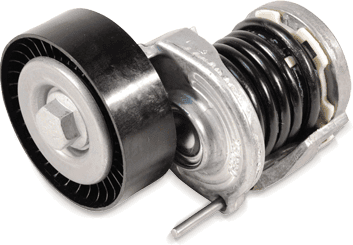
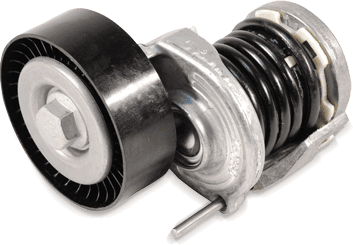
MAPCO 23962 Tensioner Lever, v-ribbed beltDriven Units: Alternator; Engine Number to: 021 216, 204 233, 004 190, 049 508, 002 393, 001 145, 003 134, 007 421, 000 482, 008 285; Transmission Type: Manual Transmission, Fully Automatic; Engine Code: 603 963, 603.96340,49 £*Shipping: 8,45 £Secure redirect to the provider


-
What is the weightlifting belt used for?
A weightlifting belt is used to provide support and stability to the lower back and core muscles during heavy lifting exercises such as squats, deadlifts, and overhead presses. It helps to increase intra-abdominal pressure, which can help protect the spine and prevent injury. The belt is not meant to be a substitute for proper technique and strength training, but rather as a tool to assist in maintaining good form and reducing the risk of injury during heavy lifts. **
-
What is the purpose of a weightlifting belt?
The purpose of a weightlifting belt is to provide support and stability to the lower back and core muscles during heavy lifting exercises. It helps to increase intra-abdominal pressure, which can help prevent injury by reducing stress on the spine. Weightlifting belts are commonly used by powerlifters and strength athletes to improve their performance and protect their lower back while lifting heavy weights. **
-
What type of belt is better: a lever belt or a single prong belt?
The choice between a lever belt and a single prong belt ultimately comes down to personal preference and individual needs. Lever belts are known for their quick and easy adjustability, providing a secure fit with minimal effort. On the other hand, single prong belts offer a more customizable fit and may be preferred by those who want more control over the tightness of the belt. Both types of belts are effective for providing support and stability during heavy lifting, so it's important to consider your own comfort and lifting style when choosing between the two. **
-
Do you have to wear a weightlifting belt during strength training?
Wearing a weightlifting belt during strength training is not mandatory. It is a personal choice and depends on individual preferences and needs. Some people find that wearing a weightlifting belt provides support and stability for their lower back during heavy lifts, while others may prefer to train without one to strengthen their core muscles. It is important to use proper form and technique when lifting weights, and a weightlifting belt should not be used as a substitute for proper training and form. Consulting with a fitness professional can help determine if wearing a weightlifting belt is necessary for your specific training goals and needs. **
What is weightlifting?
Weightlifting is a form of strength training that involves lifting weights to build muscle and increase strength. It typically involves using barbells, dumbbells, or weight machines to perform exercises such as squats, deadlifts, bench presses, and overhead presses. Weightlifting can be done for general fitness, to improve athletic performance, or as a competitive sport. It is an effective way to build muscle mass, increase bone density, and improve overall physical health and fitness. **
What can be done against nausea during weightlifting and fitness?
To combat nausea during weightlifting and fitness, it's important to address the potential causes. Nausea can be triggered by dehydration, low blood sugar, or poor breathing techniques. To prevent dehydration, make sure to drink plenty of water before and during your workout. Eating a small snack with carbohydrates and protein before exercising can help stabilize blood sugar levels. Additionally, focusing on proper breathing techniques and avoiding sudden, jerky movements can help reduce nausea during weightlifting and fitness. If nausea persists, it's important to consult with a healthcare professional to rule out any underlying medical conditions. **
Top-Angebote
Products related to GymBeam-Lever-weightlifting-belt:
-
GymBeam Lever weightlifting belt size M (76–93 cm)GymBeam Lever, , Fitness Equipment for Men, Don't like spending time in crowded gyms or fitness centres? An exercise aid GymBeamLever will improve and streamline your home workout. Characteristics: universal aid for strength training good quality, durable material aimed at building muscle mass25,76 £*Shipping: 3,99 £Secure redirect to the provider
-
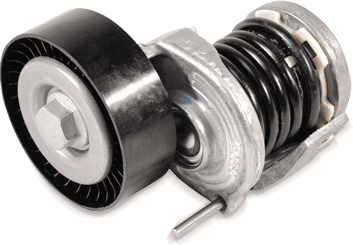
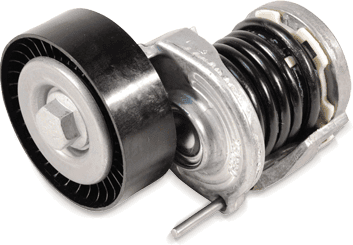
MAPCO 23962 Tensioner Lever, v-ribbed beltDriven Units: Alternator; Engine Number to: 021 216, 204 233, 004 190, 049 508, 002 393, 001 145, 003 134, 007 421, 000 482, 008 285; Transmission Type: Manual Transmission, Fully Automatic; Engine Code: 603 963, 603.96340,49 £*Shipping: 8,45 £Secure redirect to the provider
-
Is a weightlifting belt useful?
A weightlifting belt can be useful for certain individuals during heavy lifting exercises. It can provide support to the lower back and core muscles, helping to maintain proper form and reduce the risk of injury. However, it is important to note that a weightlifting belt should not be relied upon as a substitute for proper technique and strength training. It is best used as a tool in conjunction with a well-rounded fitness program. **
-
What is a weightlifting belt?
A weightlifting belt is a supportive belt worn around the waist during weightlifting exercises to provide support and stability to the lower back and core muscles. It is typically made of thick, sturdy material and is designed to help maintain proper posture and reduce the risk of injury during heavy lifting. Weightlifting belts are commonly used by powerlifters, bodybuilders, and other strength athletes to increase intra-abdominal pressure and support the spine while lifting heavy loads. **
-
What is the weightlifting belt used for?
A weightlifting belt is used to provide support and stability to the lower back and core muscles during heavy lifting exercises such as squats, deadlifts, and overhead presses. It helps to increase intra-abdominal pressure, which can help protect the spine and prevent injury. The belt is not meant to be a substitute for proper technique and strength training, but rather as a tool to assist in maintaining good form and reducing the risk of injury during heavy lifts. **
-
What is the purpose of a weightlifting belt?
The purpose of a weightlifting belt is to provide support and stability to the lower back and core muscles during heavy lifting exercises. It helps to increase intra-abdominal pressure, which can help prevent injury by reducing stress on the spine. Weightlifting belts are commonly used by powerlifters and strength athletes to improve their performance and protect their lower back while lifting heavy weights. **
Similar search terms for GymBeam-Lever-weightlifting-belt
-
What type of belt is better: a lever belt or a single prong belt?
The choice between a lever belt and a single prong belt ultimately comes down to personal preference and individual needs. Lever belts are known for their quick and easy adjustability, providing a secure fit with minimal effort. On the other hand, single prong belts offer a more customizable fit and may be preferred by those who want more control over the tightness of the belt. Both types of belts are effective for providing support and stability during heavy lifting, so it's important to consider your own comfort and lifting style when choosing between the two. **
-
Do you have to wear a weightlifting belt during strength training?
Wearing a weightlifting belt during strength training is not mandatory. It is a personal choice and depends on individual preferences and needs. Some people find that wearing a weightlifting belt provides support and stability for their lower back during heavy lifts, while others may prefer to train without one to strengthen their core muscles. It is important to use proper form and technique when lifting weights, and a weightlifting belt should not be used as a substitute for proper training and form. Consulting with a fitness professional can help determine if wearing a weightlifting belt is necessary for your specific training goals and needs. **
-
What is weightlifting?
Weightlifting is a form of strength training that involves lifting weights to build muscle and increase strength. It typically involves using barbells, dumbbells, or weight machines to perform exercises such as squats, deadlifts, bench presses, and overhead presses. Weightlifting can be done for general fitness, to improve athletic performance, or as a competitive sport. It is an effective way to build muscle mass, increase bone density, and improve overall physical health and fitness. **
-
What can be done against nausea during weightlifting and fitness?
To combat nausea during weightlifting and fitness, it's important to address the potential causes. Nausea can be triggered by dehydration, low blood sugar, or poor breathing techniques. To prevent dehydration, make sure to drink plenty of water before and during your workout. Eating a small snack with carbohydrates and protein before exercising can help stabilize blood sugar levels. Additionally, focusing on proper breathing techniques and avoiding sudden, jerky movements can help reduce nausea during weightlifting and fitness. If nausea persists, it's important to consult with a healthcare professional to rule out any underlying medical conditions. **
* All prices are inclusive of VAT and, if applicable, plus shipping costs. The offer information is based on the details provided by the respective shop and is updated through automated processes. Real-time updates do not occur, so deviations can occur in individual cases. ** Note: Parts of this content were created by AI.